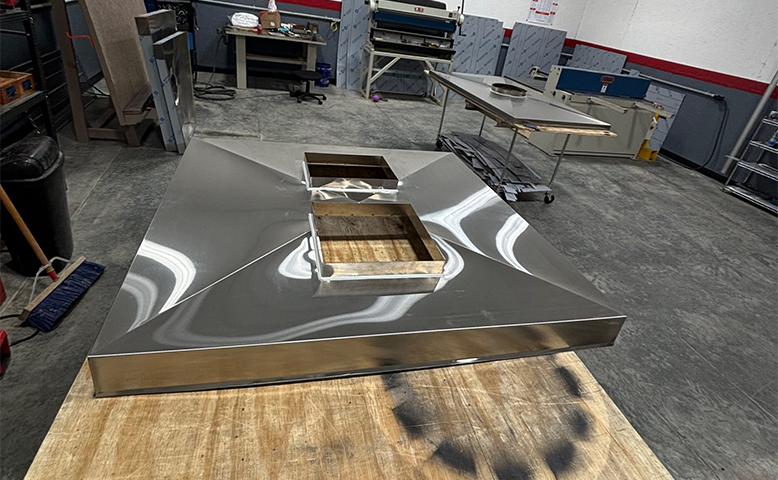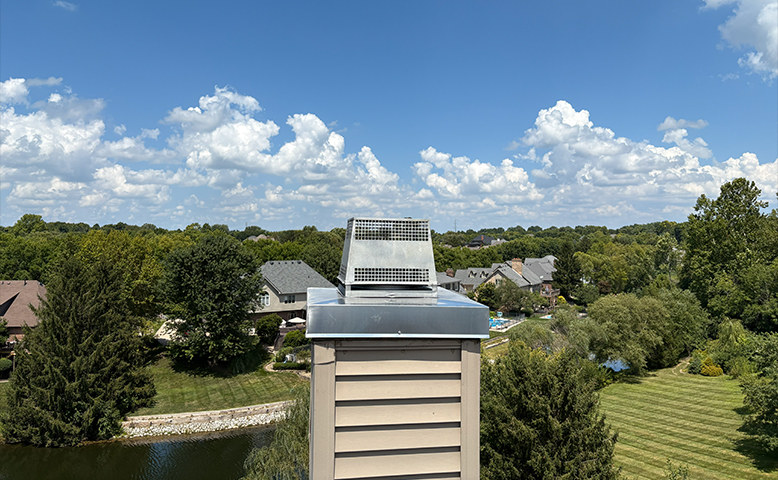
Storm season can turn small chimney issues into big messes. A chimney cap is the cover on top of your chimney that helps block rain, animals, and flying sparks. When it’s bent, rusty, or missing parts, water can drip into your fireplace, stains can show up on walls, and damp air can cause musty smells. Wind can also push smoke back into your home if the cap is the wrong shape or damaged. The tricky part is that many cap problems are easy to miss from the ground. Before heavy rain and strong winds arrive, it’s smart to check your cap and fix issues early. Below are seven clear signs your chimney cap may need replacement before storms roll in.
Rust, Holes, or Flaking Metal on Top
If you see rust on the cap, take it seriously. Rust is not just a color change. It means the metal is breaking down. Once rust starts, water can eat through thin spots and create holes. Even small holes let rain enter the flue (the inside tube that carries smoke up and out). That rain can mix with soot and make a dark, sticky mess.
Look for signs like:
- Orange or brown streaks on the cap
- Flakes of metal or rough spots
- Small holes in the lid or screen
Technical note: Caps are often made from galvanized steel, stainless steel, or copper. Galvanized steel has a zinc coating that slows rust, but that coating can wear off over time—faster near salty air or harsh weather. Stainless steel costs more, yet it resists rust much better and tends to last longer in wet climates.
Water Drips in Fireplace After Heavy Rain
Water inside your fireplace is one of the clearest warning signs. A working chimney cap helps stop rain from dropping straight down into the flue. During a storm, wind can blow rain sideways, so even a small gap can let water in.
You might notice:
- Puddles on the firebox floor
- Damp or crumbling ash
- Water stains near the fireplace opening
- A musty smell after storms
Technical note: When water runs down a flue, it can soak the clay liner or metal liner. Wet liners can crack when temperatures change quickly. Water can also wash creosote (a black residue from fires) downward, creating stains and odors. A proper cap has a solid top cover with an overhang and a drip edge that helps water shed away instead of slipping inside.
Chimney Cap Screen Is Bent or Missing
Most chimney caps include a wire screen. That screen is there to keep animals out and to help stop sparks from flying onto the roof. If the screen is bent, torn, or missing, it’s a big problem—especially before storm season.
A damaged screen can lead to:
- Birds or squirrels are building nests inside
- Leaves and twigs are blocking airflow
- Sparks escaping during fireplace use
Technical note: Many caps use 3/4-inch mesh to block animals while still letting smoke out. If the mesh openings are too small, it can clog faster with soot. If openings are too large, small animals can still get in. When screens get dented, the mesh can pull away from the frame, leaving gaps. A welded screen panel is usually stronger than one held by thin clips.
Loose Cap That Shifts During High Winds
If your cap rattles, tilts, or looks crooked, storms can make it worse. Strong wind gusts can lift a loose cap, bend it, or blow it off the chimney. Once that happens, rain has a straight path into the flue.
Watch for clues like:
- A metal rattling sound on windy days
- A cap that looks off-center
- Visible gaps where the cap meets the chimney top
Technical note: Caps are attached in different ways depending on chimney type. Some use clamp bands around a flue tile. Others bolt into the crown (the concrete top around the flue) or fasten to a chase cover on prefab chimneys. If fasteners are rusted or the base is warped, the cap may not hold tight. A better fit usually comes from measuring the flue correctly and using thicker metal that resists bending.
Smoke Smell Indoors or Poor Fireplace Draft
A chimney cap can affect how well smoke exits your home. If smoke smells linger indoors, or the fireplace seems “lazy” when starting a fire, the cap may be part of the issue. Before storm season, wind patterns often change, and downdrafts can get worse.
Common signs include:
- Smoke smell in the room, even when not burning
- Smoke puffs back when lighting a fire
- A fire that struggles to stay lit
Technical note: Draft depends on warm air rising through a clear flue. If a cap is crushed, blocked with debris, or has the wrong style for your roofline, it can interrupt airflow. Some caps have a wind-direction design that helps reduce downdrafts. If your chimney is shorter than nearby roof peaks or trees, wind can push air down the flue. A cap with the right hood shape and height can help reduce this problem.
Cracked Crown or Gaps Around Cap Base
The chimney crown is the sloped concrete (or mortar) surface around the flue tile. It helps shed water away from the chimney structure. If the crown is cracked or has gaps near the cap base, storms can force water into those openings.
Check for:
- Cracks in the crown
- Missing chunks near the flue tile
- Gaps where the cap base sits
Technical note: Water entering through crown cracks can freeze in cold weather and widen the crack. That freeze-and-thaw cycle can damage brick and mortar joints. Even in warmer places, constant moisture can weaken masonry and cause white stains called efflorescence. A good cap replacement should go hand-in-hand with sealing gaps and making sure the top area sheds water properly.
Visible Damage After Hail, Branches, or Debris
Storm season does not only mean rain. Hail, falling branches, and flying debris can dent or slice metal parts. If your cap has taken hits, it may not protect the flue the way it should.
Signs of impact damage:
- Dents in the lid or hood
- Warped corners that no longer sit flat
- Torn mesh or broken welds
Technical note: Thin metal bends more easily. Over time, repeated impacts can create tiny cracks near corners and bends. Those cracks can grow with vibration and heat changes. A stronger cap is often made from thicker gauge stainless steel, with welded corners and a stiffened lid to resist bending. If you have a chase lid (the large metal cover on a prefab chimney chase), dents can hold water in low spots. Standing water speeds up rust and can leak through seams.
Conclusion
If you spot rust, water in the fireplace, loose parts, or damage after storms, don’t ignore it. A chimney cap is small, but it does a big job: it blocks rain, helps airflow, and keeps animals out. Replacing a failing cap before storm season can help prevent leaks, odors, and flue damage that costs more to fix later. If you want a cap that fits right and holds up to rough weather, Baker Metal Fabrication offers metal fabrication for chimney caps services and can help you choose a strong, well-fitted option.