Metal fabrication often looks easy from a distance: measure, cut, weld, coat, done. Up close, small choices decide everything. A hole that’s off can force drilling on a ladder. A frame that pulls can make a door rub. Outdoor pieces have it tougher because water and heat keep working on seams and fasteners. Most problems don’t start with a big failure; they start with tiny skips—unclear notes, dirty metal, rushed welds, or a finish applied too soon. Fix those habits, and you save time, material, and frustration. This guide covers 10 common mistakes and simple ways to avoid them, especially when the part has to fit the first time. If you’re a homeowner, contractor, or manager, this is for you.
Start With Drawings Everyone Can Actually Use
Mistake 1: Handing over plans that leave gaps. A shop can’t read your mind, even when everyone is trying to be helpful. If the drawing doesn’t show finished sizes, thickness, hole locations, bend direction, and how parts connect, the job turns into guesswork. That’s when you get “close” parts that need field fixes.
Mistake 2: Treating site measurements like they’re perfect. Walls and chimneys aren’t always square, and older surfaces can vary from one side to the other. If something must sit on an existing surface, a quick re-check can save a full remake.
Here’s what helps most before a single cut is made:
- Circle the “must match” dimensions (mount points, openings, hole spacing)
- Note the fastener type and tool clearance (a wrench needs room)
- Confirm the finish early (paint, powder coat, galvanized, stainless)
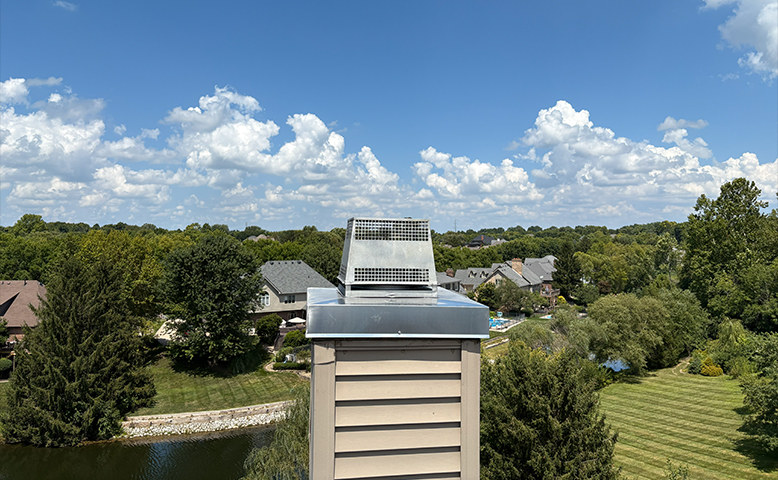
- For chimney parts, confirm flue count, overhang, slope, and mounting method.
Baker Metal Fabrication offers metal fabrication and chimney caps & chase lids, so you can get the sheet work and the fit handled in one place.
Pick Materials That Match Weather And Heat
Mistake 3: Picking metal thickness out of habit. Thin metal can save money up front, but it can flex, dent, or warp during welding. Going too thick can add weight and cost without solving the real need. The better move is to match the material to how the part is supported and what it must handle.
Mistake 4: Forgetting how metals react outdoors. Moisture and mixed metals can speed up rust. If two different metals touch—say, steel hardware on aluminum—water can help a chemical reaction start that eats away at the joint. Coatings help, but details at edges, holes, and seams matter just as much.
A few easy material habits make a big difference:
- Decide if the part will live indoors or outdoors (or near salt and chemicals)
- Use coated or stainless fasteners when rust streaks would look bad
- Separate dissimilar metals with a pad, washer, or sealant
- Protect cut edges and drilled holes, since those spots rust first
For chimney caps and chase lids, the metal also deals with repeated heat changes, so choosing the right material and fasteners helps keep seams from loosening over time.
Clean, Cut, And Prep Before Joining Metal
Mistake 5: Welding or coating on dirty steel. Oil, old paint, mill scale, and rust don’t play well with welds or finishes. You might get a weld that looks fine on top but has tiny holes inside. Or you might get paint that lifts later because it never truly grabbed the metal. Cleaning doesn’t have to be complicated; it just has to be done where it counts.
Mistake 6: Leaving rough edges and burrs behind. Burrs keep parts from sitting flat, make fit-up harder, and can cut hands during install. On thicker joints, skipping a simple bevel can keep the weld from fusing deep into the joint, which matters for strength.
Before pieces get joined, a short prep routine usually pays off:
- Degrease the weld area and remove heavy scale (wire brush or grinder)
- Deburr holes so bolts seat flat and don’t bind
- Keep mating edges square when parts must meet tightly
- Bevel thicker edges so the weld can reach into the joint
Better prep also helps coatings cover evenly, since sharp burrs and flaky scale create weak spots in paint and powder coat.
Control Welding Heat So Parts Stay Square
Mistake 7: Building with poor fit-up, then hoping welds fix it. If parts are misaligned, twisted, or gapped, welding often locks the problem in. Good fit-up means edges sit together the way they’re supposed to, and tack welds hold that position before the final weld goes in.
Mistake 8: Putting too much heat in one spot. Heat changes metal shape. A long weld laid in one go can pull a frame out of square or ripple a thin sheet. That’s why many shops use short welds, skip around, and let the work cool in between—especially on sheet metal and frames.
Simple heat-control steps that work on many jobs:
- Clamp and brace parts before welding starts
- Use stitch welds (short sections) on thinner material
- Alternate sides and locations to spread heat
- Keep weld size appropriate for the joint, not oversized
- Check squareness before finishing the last welds
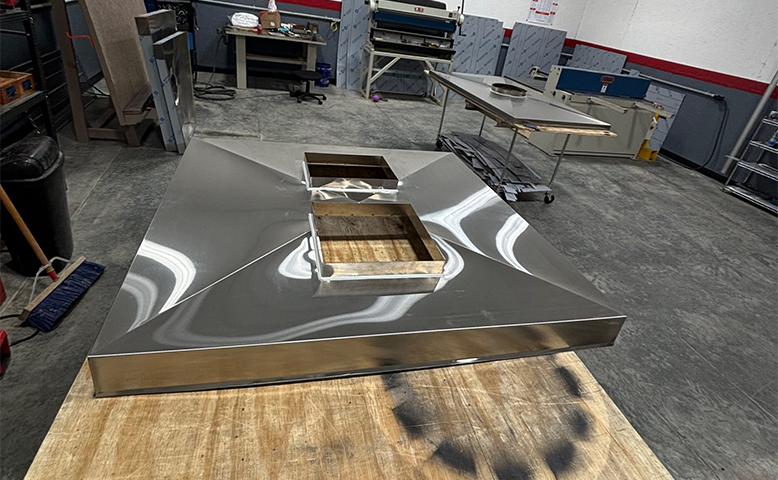
On chase lids and other sheet work, smart seam placement and controlled weld length help keep panels flat, so they sit cleanly at install.
Inspect Early, Finish Well, Deliver Without Dings
Mistake 9: Measuring only after everything is welded. Metal can move during bending and welding, even when the first setup looked perfect. A bend angle that’s slightly off can shift a hole pattern. A frame can pull just enough to make the mounting points miss. Quick checks during the build catch issues while they’re still easy to fix.
Mistake 10: Rushing the finish and handling. A solid build can still look rough if edges are sharp, corners get dinged, or coating prep is skipped. Coatings need clean, dry metal, and they cover smoother when edges are eased. Then there’s transport: a finished piece that slides around can arrive scratched before it ever gets installed.
A practical end-of-job checklist:
- Measure after the first bend, and again after weld-out
- Confirm frames are square before final welds, and lock them in
- Ease sharp edges so coatings cover better, and handling is safer
- Clean and dry parts before paint or powder coat
- Protect finished faces and label parts for easier installation
These steps cut down on callbacks and field fixes, which saves time for everyone.
A Little Planning Saves A Lot Later
Most fabrication headaches are preventable when you slow down at the right moments: plan clearly, pick the right metal, clean and prep, control welding heat, and check sizes along the way. Those habits save rework, missed schedules, and awkward on-site fixes. Need parts made to match an existing structure or a new build that has to fit cleanly? Call Baker Metal Fabrication today, share your measurements or photos, and request a quote. You’ll get straightforward guidance and solid parts ready for a smooth install.